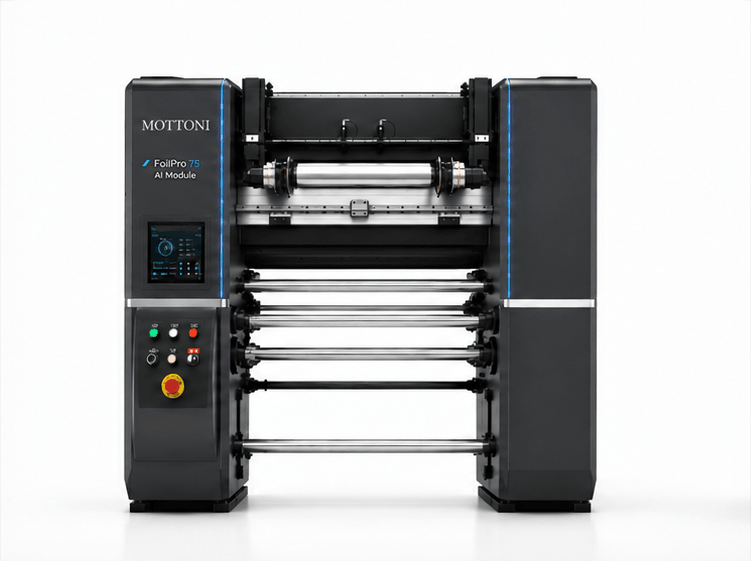
FoilPro 75 AI Module
Compact-format AI Module with intelligent mode selection, foil-saving control, and offset-machine-specific integration.
Explore FoilPro 75 AI Module →
Industrial Printing Technology
Precision foil control, lower material waste, and reliable integration for modern packaging and printing lines.

Precision in Motion.
Printing and packaging technology designed and developed in Bursa, Türkiye.FoilPro Product Series
Compact-format AI Module with intelligent mode selection, foil-saving control, and offset-machine-specific integration.
Explore FoilPro 75 AI Module →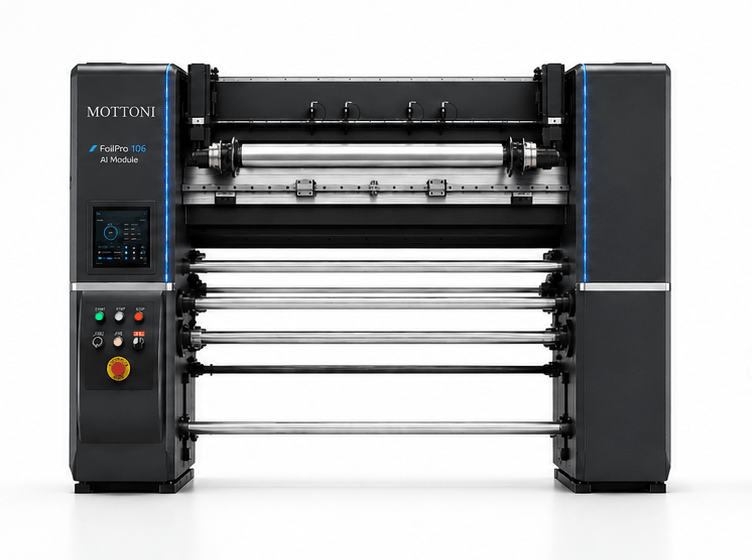
AI-driven 106-format platform for commercial and packaging production.
Explore FoilPro 106 AI Module →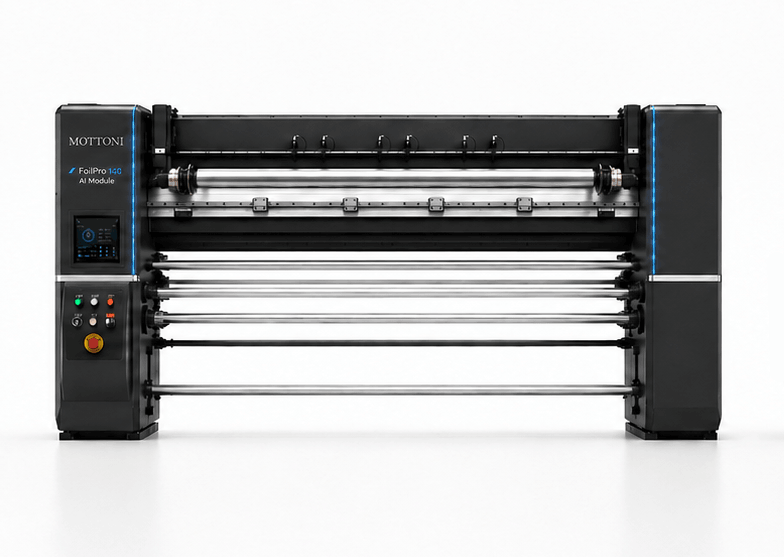
Large-format AI Module bringing intelligent foil control to demanding industrial production environments.
Explore FoilPro 140 AI Module →Body Color Configurations
Three body colors. The same FoilPro AI Module performance.
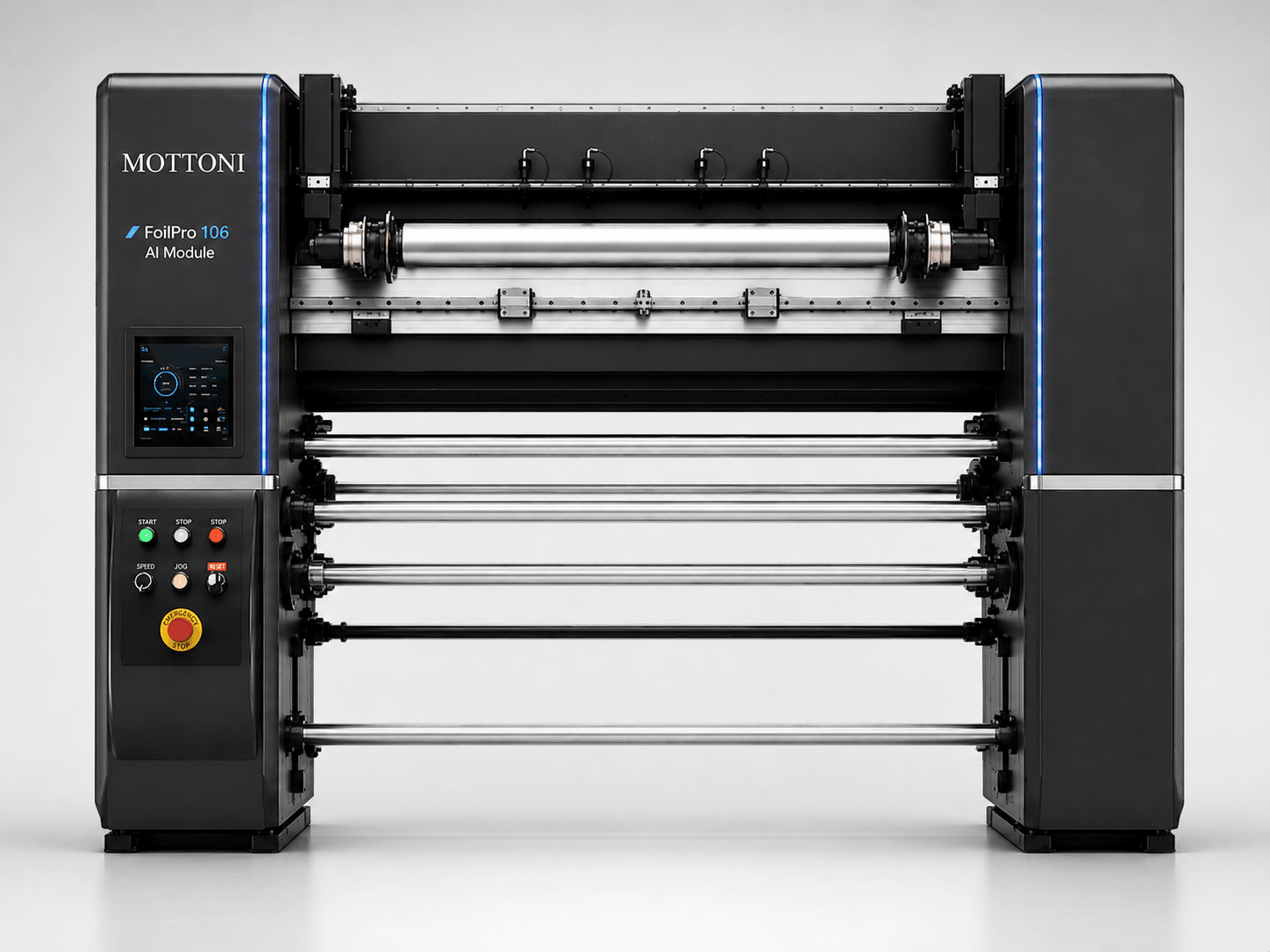
Quiet, technical, and industrial.
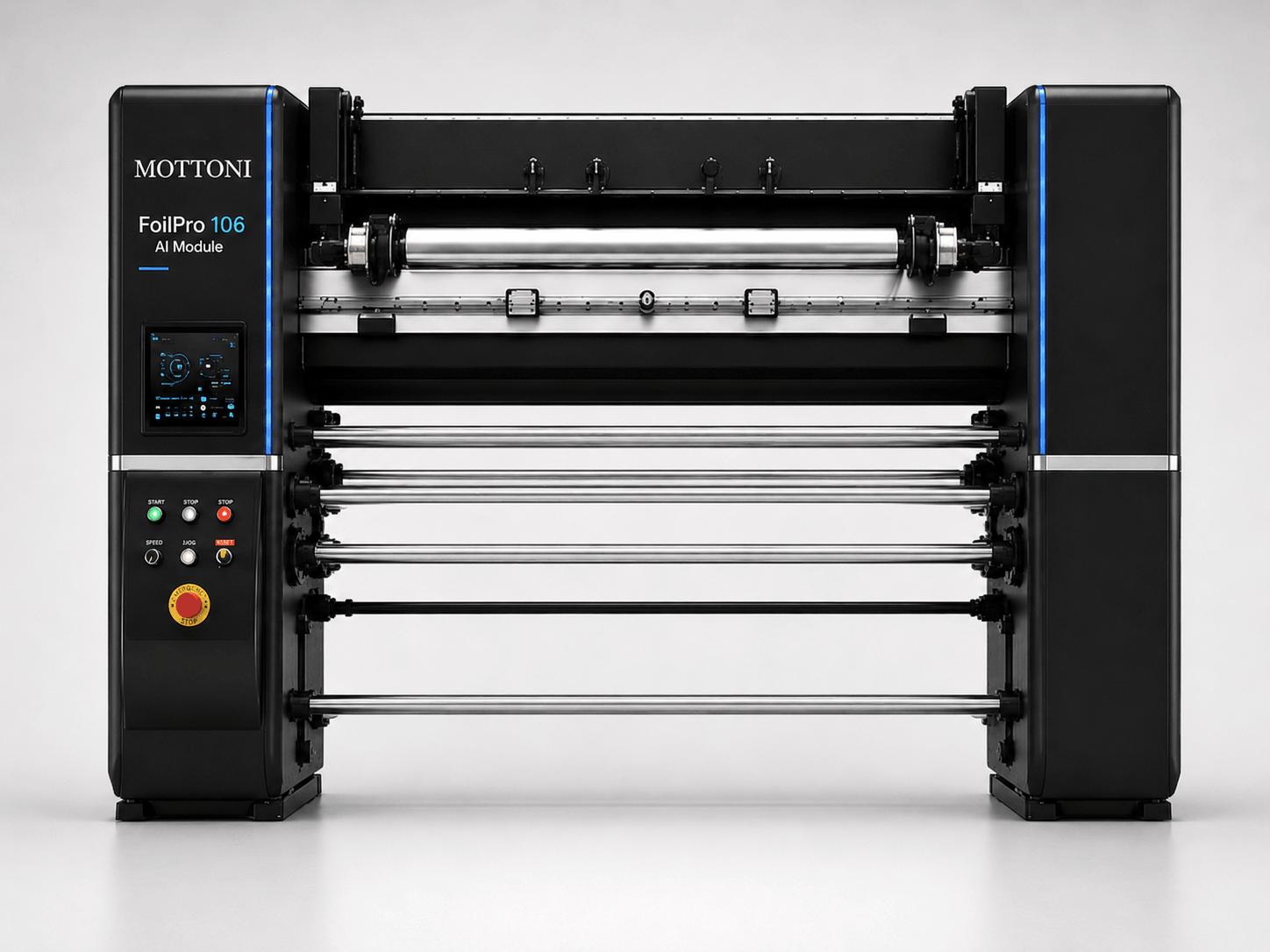
Bold presence for modern production.
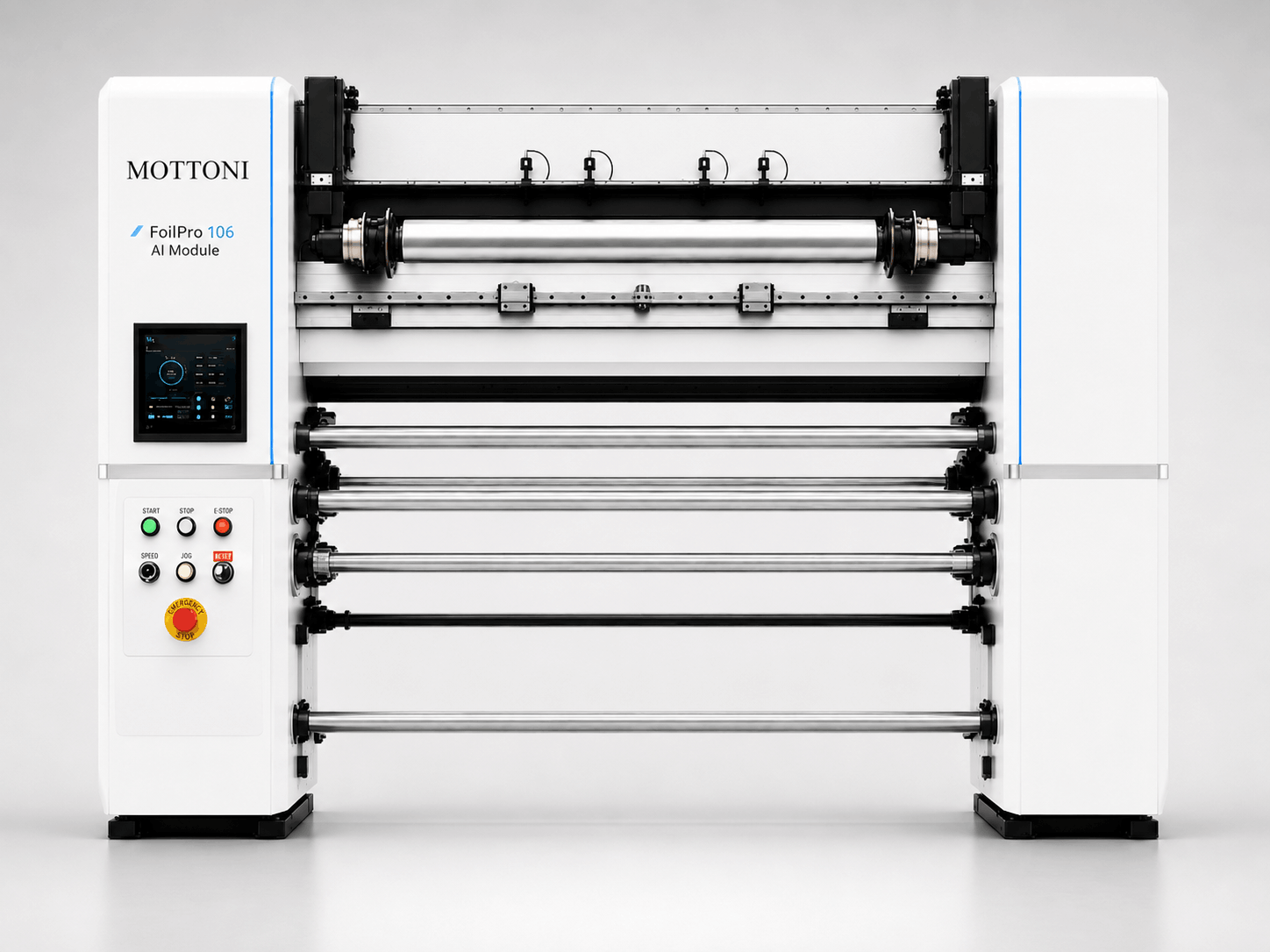
Clean, precise, and contemporary.
The System in Motion
Explore the machine architecture, complete frame, and production-focused design of the AI Module platform.
Entered foil area dimensions guide the correct operating mode for each production job.
Independent winding, unwinding, and jumping control keep the foil path coordinated.
Dedicated servo control stabilizes foil tension through continuous and foil-saving modes.
Photoelectric sensing, vacuum chamber control, and air-cushion transfer support reliable operation.
Application Areas

Premium metallic detail for presentation boxes and high-value product packaging.

Reflective brand elements for beauty, fragrance, and personal care packaging.
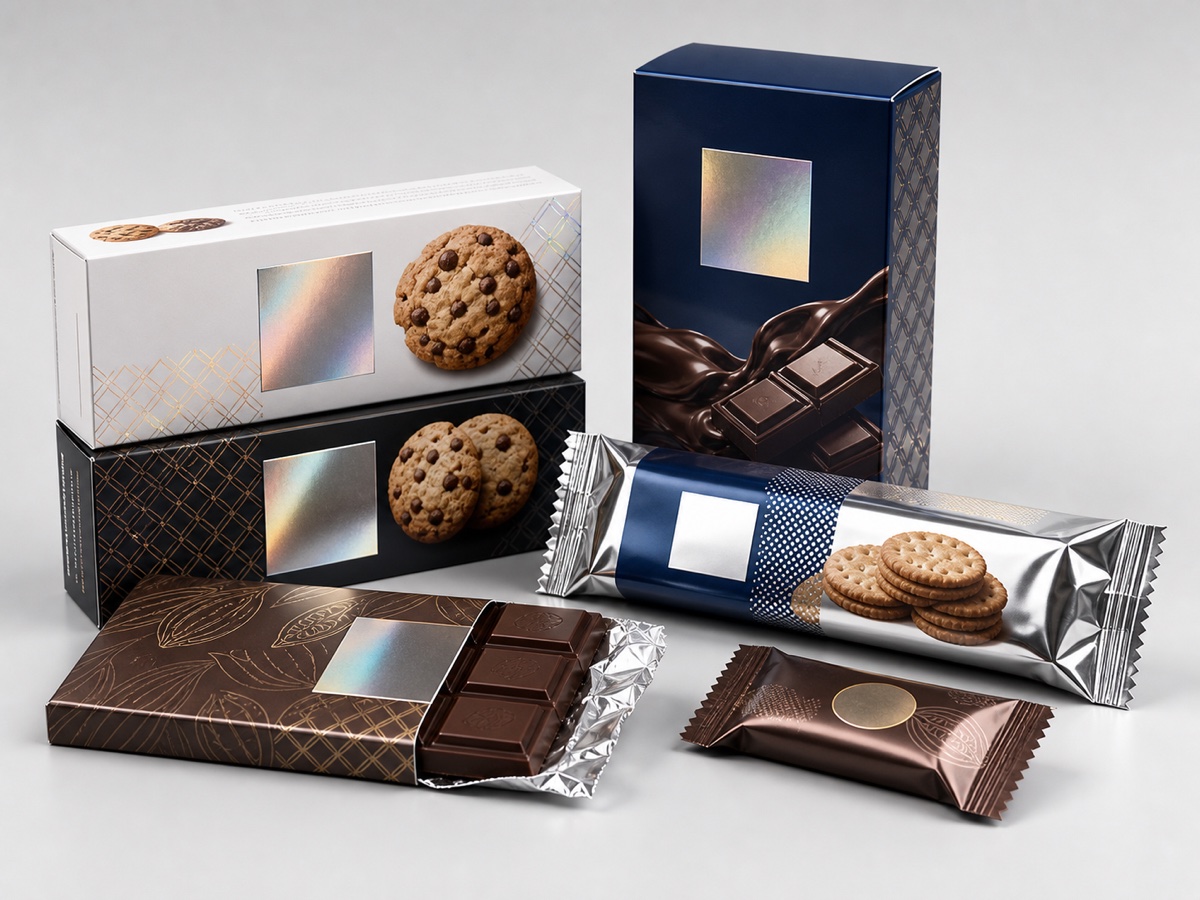
Premium shelf impact for chocolate, biscuits, snack cartons, and wrapped food products.
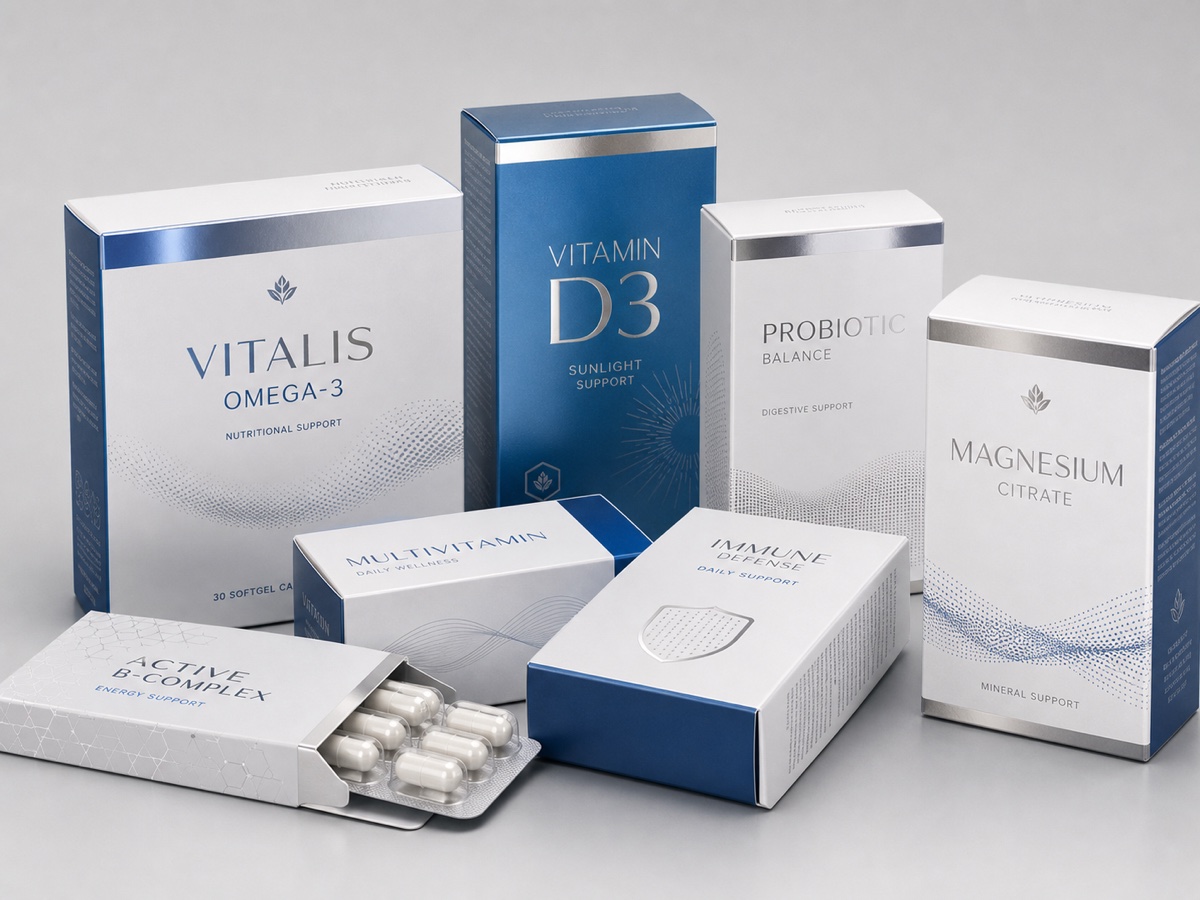
Clean metallic detail for vitamin, supplement, and pharmaceutical packaging.
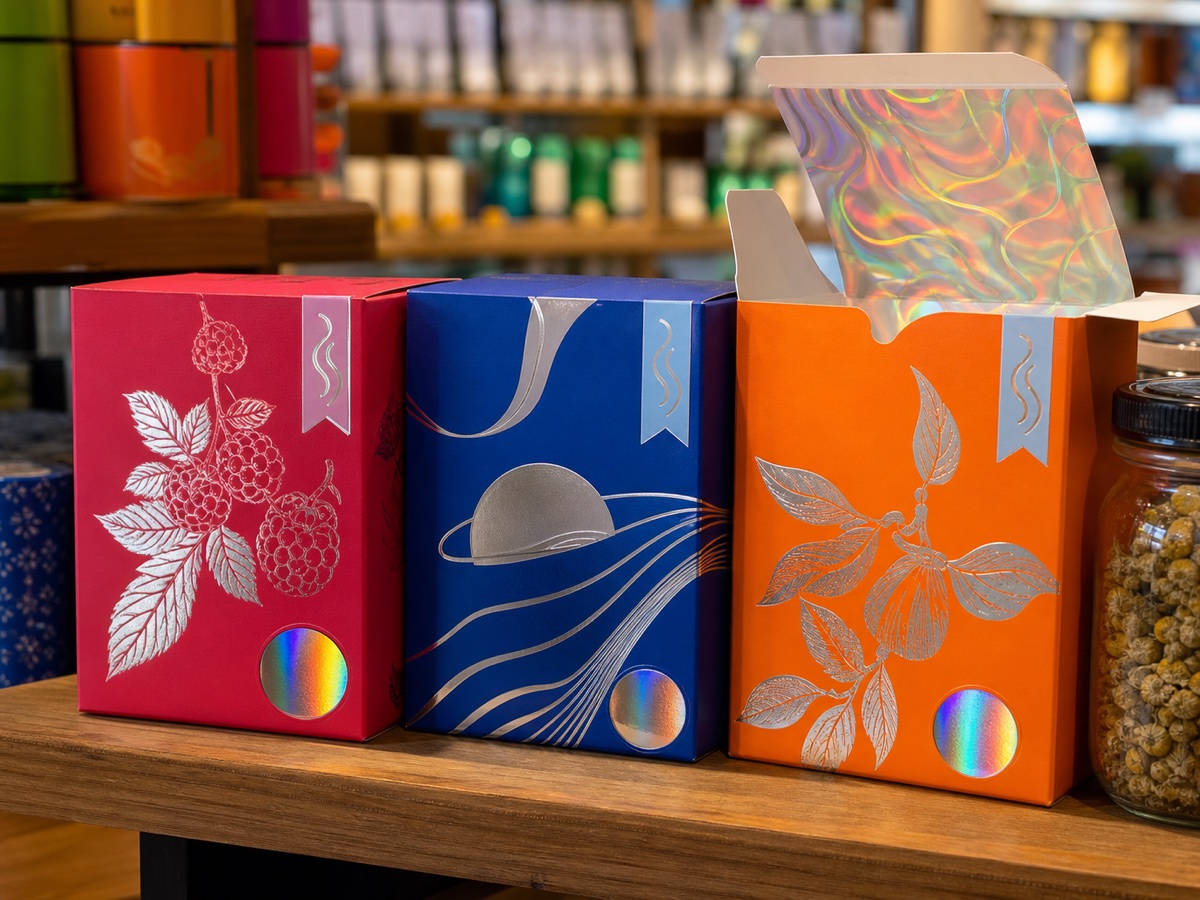
Scalable embellishment for packaging and converting operations.